

Anxiety Therapy in Toronto for Asian Communities
Feeling anxious all the time? You’re not alone — and you don’t have to keep pushing through
Anxiety Therapy in Toronto for Asian Communities
Feeling anxious all the time? You’re not alone — and you don’t have to keep pushing through
Your Safe, Culturally-
Aware Space
We understand the unique challenges
of balancing Asian cultural values
with your own needs.
Collaborative & Compassionate
Therapy
We work with you, not on you —
empowering you to choose your own
path to healing.
Therapy That Fits
Your Life
Virtual or in-person sessions, in English,
Mandarin, or Cantonese — support that
meets you where you are.
Meet Our Anxiety Therapists
-
![Ivy Lim, therapist in training offering low-cost and sliding scale therapy at True Resilience]()
Ivy Lim
Therapist in Training
-
![Asian woman wearing a black blazer and brown top smiling at camera]()
Kristal Kong
RP, MDiv
-
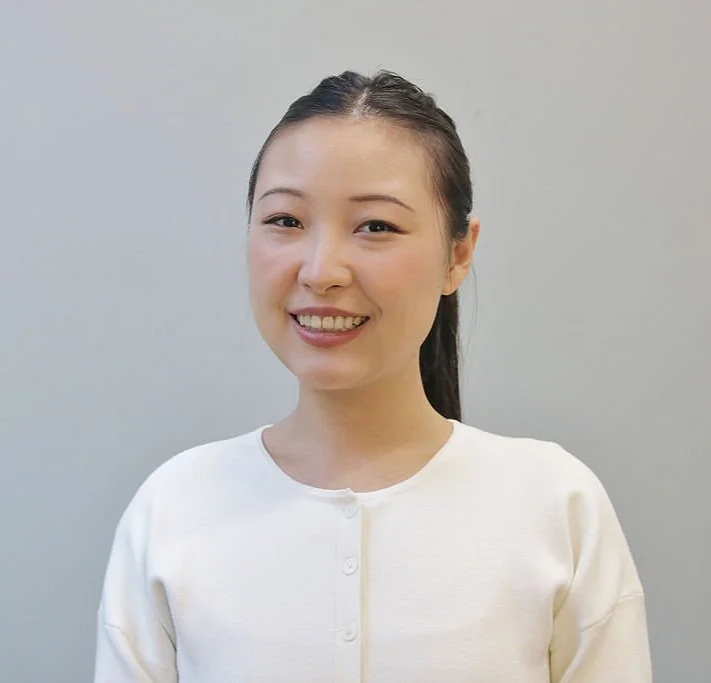
![Smiling Asian therapist wearing white buttoned-up cardigan, with hair in a ponytail]()
Lifei Qian
RP (Qualifying), MACP
-
![A young woman with dark hair styled in loose waves, wearing a light pink top with ruffled neckline, smiling at the camera against a plain gray background.]()
Alice Yeung
RSW, MSW
-
![Smiling Asian Therapist wearing olive blazer and black top]()
Amy Chen




Feeling Anxious All the Time? You’re Not Alone
Are you tired of feeling anxious, unsure how to stop it, and wondering what it all means?
Maybe your thoughts won’t calm down. Maybe your body feels constantly on edge. Or sometimes the hardest part is that there’s no clear reason you can find for feeling anxious - it’s just there, every day.
For many people in Asian communities, anxiety can feel even harder to talk about. Everyone else seems like they have it all together and you don’t want to burden others, so you just figure out how to “deal with it.”
You don’t have to carry this on your own.
At True Resilience Psychotherapy, we provide culturally responsive anxiety therapy in Toronto in English, Mandarin, and Cantonese that both understands the emotional experience of anxiety and the cultural context around it.
You can start feeling better. You an book a free consultation online, or reach out with questions first. There is no pressure to continue, a consultation can just be a starting point to ask your questions.
How Anxiety Shows Up in Daily Life
Anxiety doesn’t just stay in your head — it affects how you live.
-
You might struggle to fall asleep because your mind won’t turn off— or wake up in the middle of the night or early morning hours with intense anxiety, sweating, and restlessness and not be able to return to sleep.
-
Difficulty focusing, procrastination, or feeling mentally “foggy” can make it harder to perform at the level you want.
-
Anxiety might make you withdraw from friends or family because you don’t have the energy, or feel disconnected even when you’re with others.
-
It can feel like managing your anxiety is a full-time job — leaving little energy to focus on other things if you life.
-
You might be saying things to yourself like:
“Why can’t I just control these feelings?”
“Other people seem fine — what’s wrong with me?”
“I should be able to handle this on my own.”
These thoughts are common, but instead of helping you, they usually keep the cycle going.
How Anxiety Therapy in Toronto Can Help
Therapy isn’t just about talking — it’s about creating real, lasting change.
At True Resilience Psychotherapy, we use a two-pronged approach to working with anxiety.
Understanding Root Causes of Your Anxiety
While coping strategies are an important pillar of working with anxiety, they aren’t able to change patterns going forward.
To experience transformative change with your anxiety, we need to look deeper to understand how it developed in the first place, so you can prevent those same patterns from taking root in the future.
Beyond coping, therapy helps you understand:
What shaped your anxiety patterns
Why your system reacts the way it does
How past experiences or relationships play a role in the anxiety and emotions you experience today
This insight allows for deeper, longer-term change — not just temporary relief.
Managing Symptoms: Tools to Calm Your Mind and Body
You’ll learn practical, evidence-based strategies like Cognitive Behavioural Therapy (CBT) to regulate your system:
Techniques to calm your nervous system in moments of stress and anxiety
Tools to manage your racing thoughts and worry
Ways to reduce physical symptoms like tension and restlessness
We don’t expect you to just “use the tools,” because anyone can google ‘anxiety management tools’ and get a bunch of ideas.
We work with you to refine your own anxiety management toolkit based on your experience — what worked and what didn’t, and why — so you build a toolkit specific to what you need.
What You Can Expect From Anxiety Therapy
Each person may have different goals, these are common outcomes we may work toward in therapy:
A clearer understanding of your anxiety
Personalized tools that work for you
Increased confidence in handling anxious moments
A greater sense of calm, control, and emotional balance

Long-Term Results: Building Confidence and Emotional Stability
Ultimately, the goal of anxiety therapy is for you to leave confidence that you can manage your anxiety the next time it comes up.
When you know how to manage your anxiety, your anxiety becomes less scary and overwhelming.
Ultimately, therapy cannot promise that you won’t experience anxiety ever again - in fact, it would be unethical for us to promise that because there’s no way for your therapist to know if this will be the case.
However, we do know that the more you utilize the tools and techniques you learn in therapy, over time you start building mastery and confidence in managing your anxiety in productive, helpful ways.
Over time, it becomes easier to stop the cycle of anxiety in its tracks when it pops up, and be able to manage it long-term so it no longer has such a large negative impact on your life.
Our Approach to Anxiety Therapy
-
Cognitive Behavioural Therapy offers many tools and strategies to pull from, which may help you become more aware of what increases or lessens your anxiety, reframe or challenge your anxious thoughts, and change how you respond to anxiety so it puts you back in control of your life.
-
CBT helps with immediate relief — but deeper approaches help create lasting change. Our therapists integrate modalities including (but not limited to):
Emotion Focused Therapy (EFT)
Helps you understand and process deeper emotions that underlie your anxiety
Psychodynamic Therapy
Explores how past experiences shape present patterns, and how we can change the patterns going forward
Attachment-Based Therapy, IFS, Somatic and Polyvagal Therapy, and more:
Your therapist may integrate specific approaches based on your goals and what might benefit you.
-
Our therapists don’t follow a rigid formula. Every person is different, and so our therapists don’t use a one-size-fits-all approach.
Your therapist will work with you to:
listen closely to your experience
Give personalized feedback and strategies for what you’re struggling with
Adjust sessions based on your feedback
Move at a pace that feels right to you
-
As a Toronto-based psychotherapy clinic serving Asian communities, our therapists understand:
the impact of cultural and familial expectations and the cost of failure
Intergenerational family dynamics
The complexity of navigating multiple identities.
Your therapy will reflect your unique lived experiences — not what you ‘should’ feel or who you ‘should’ be.

Start Anxiety Therapy in Toronto Today
Therapy can help you understand your anxiety, feel more in control, and reconnect with the joys in your life.
You don’t have to carry it alone.

Ready to take the next step?
Booking your first session is simple:
Book a Free Consultation — Choose your therapist and session style (phone or video).
1.
Meet Your Therapist — We’ll get to know you, answer your questions, and build trust at your pace.
2.
Begin Your Journey — Collaborate with your therapist to create meaningful, sustainable change.
3.
scroll to continue learning about anxiety

Understand Your Anxiety
|
Understand Your Anxiety |
Anxiety Symptoms: Signs You May Benefit From Support
Anxiety can affect your thoughts, emotions, body, and behaviour — all at once.
Racing Thoughts, Dread, and Emotional Overwhelm
Racing thoughts that won’t slow down
Your mind jumps from one worry to another, maybe imagining worst-case scenarios or replaying past situations. Even when you try to “think logically,” the thoughts keep coming.
A near-constant sense of dread or impending doom
You might feel like something bad is going to happen — even when things seem fine on the surface. This fear can be hard to explain to others, and can be really heavy to carry everyday.
Feeling anxious without any clear reason
One of the most frustrating parts of anxiety is not knowing why it’s happening, and having no way to stop it. You might say to yourself: “there’s no reason for me to feel this way” but the feeling still doesn’t go away.
Irritability, frustration, and emotional overwhelm
When you’re already feeling anxious, small everyday things can end up feeling overwhelming. This might lead you to feeling frustrated at yourself, and leave you feeling even more stuck.
Physical Symptoms of Anxiety (That Are Often Missed)
You may think these are indications of a physical issue, but they can actually be related to anxiety.
Tight chest, racing heart, or shallow breathing
Your body stays in a constant state of alertness, as if it’s always preparing for danger.
Sleep challenges and disruptions
You might struggle to fall asleep because your mind won’t turn off— or wake up in the middle of the night or early morning hours with intense anxiety, sweating, and restlessness and not be able to return to sleep.
Digestive issues (nausea, bloating, appetite changes- increases AND decreases)
Many people don’t realize their stomach issues are connected to stress and anxiety. Anxiety puts your body under a state of stress, and stress directly impacts your gut. When we feel safe, we can ‘rest and digest.’ But if we’re in a constant state of alert, we don’t get that time to slow down.
Restlessness or inability to relax
Even during downtime, you may feel that your body is unable to fully let go, relax, and get the rest you desperately need.
Chronic fatigue
Being in a constant state of alert is exhausting, even if you haven’t actively “done much.”
Behavioural Patterns like Avoidance and Overthinking
Avoiding situations that feel overwhelming
This might include social events, needing things to feel a certain way before you proceed, work tasks that make you anxious, or procrastinating on everyday responsibilities.
Losing interest in things you used to enjoy
Activities that once felt easy or fun can start feeling effortful and anxiety-inducing, making you less likely to do them, which can just make life feel even worse.
Overthinking decisions or seeking reassurance
You might spend a lot of time second-guessing yourself or needing reassurance and certainty before taking any action.
If you’re ready to take back control over your anxiety and your life, book a free consultation today with one of our therapists to see if therapy can help.
What Anxiety Really Is
(And Why It Doesn’t Just Go Away)
Anxiety is not a weakness — it’s your body trying to protect you (even if it doesn’t feel that way).
Your Body’s Natural Alarm System (Fight-or-Flight Explained)
Anxiety is part of your built-in survival system. If you were facing a real threat (like a bear in the woods), your body would activate instantly — heart racing, adrenaline and blood pumping — to help you react quickly and get away.
In that scenario, this system is working exactly as it was designed to.
The problem is when our anxiety system becomes overactive.
When Anxiety Becomes Overactive
Imagine a fire alarm that goes off every time you burn toast.
There’s no real danger — but the alarm is loud, urgent, and impossible to ignore.
That’s what anxiety can feel like in everyday life:
Your body reacts as if something is very wrong
Even when logically, you know you’re safe
And the reaction doesn’t easily “turn off”
What Causes Anxiety (Stress, Trauma, Cultural Factors)
There isn’t just one cause. Anxiety is usually shaped by a combination of experiences over time:
Biological predisposition
There is a hereditary component to anxiety that can influence your brain chemistry, stress response, and emotion regulation.
Chronic Stress
Long-term pressure (school, work, family expectations) can keep your alarm system activated.
Past experiences or trauma
If you’ve experienced traumatic events or really challenging events, your brain learns to stay alert to prevent future harm — even if the threat is no longer present.
Early environment (Adverse Childhood Experiences - ACEs)
Growing up in environments where safety felt uncertain — both physical and/or emotional — can make your nervous system more sensitive to your fight-or-flight response.
Cultural and family dynamics
In many Asian households, there are:
High expectations for success
Limited space to express emotions
Pressure to cope with difficulties by yourself without “burdening” others
Common Myths About Anxiety
Depending on the person, thinking these thoughts might actually help. So if they’re helpful for you, that’s great.
But if these thoughts do not help you, and potentially make your feelings of shame and overwhelm worse, then let’s break down some of these myths.
“I should be able to control this”
Anxiety isn’t a mindset — it’s a full nervous system response. When you encounter a bear in the woods, you don’t tell your heart to start beating faster and for your adrenal glands to produce more adrenaline.
So why would you assume the opposite is true — that you can tell yourself to stop those physiological responses, and they should stop?
“If I avoid things that trigger anxiety, it’ll go away”
Avoidance simply teaches your brain that the threat is real, therefore reinforcing that stress response the next time you encounter a similar situation.
“It’s just overthinking”
Thoughts can certainly be a part of your anxiety response, but it’s only one part. Your body is deeply involved also. The question maybe isn’t so much what your anxiety is, it’s how you’re going to respond to it that matters.
Why Anxiety Persists Without Support
Depending on how challenging the situations you’re currently faced with, without the right tools or understanding:
You’re trying your best to manage your anxiety while keeping up other things going on in your life, leaving you exhausted.
You cope by avoiding the situations or people who make you feel anxious.
Thoughts about your anxiety can lead to shame and overwhelm.
Your brain becomes even more sensitive to perceived threats, and activates your body’s response systems even more strongly.
The anxiety cycle (thoughts → physical symptoms → behaviours) becomes stronger and harder to break over time.
Frequently Asked Questions About Anxiety Therapy
-
If anxiety is starting to interfere with your everyday life and routines — your sleep, focus at work or school, relationships, or ability to enjoy things — it may be a good idea to seek support.
Many people wait until it feels “bad enough,” but you don’t have to reach a breaking point to get help. It can often be very helpful to proactively come to therapy and learn which strategies work for you, so you have them ready before things get really bad!
Like the saying goes: “The best defence is good offence.”
-
Anxiety therapy is both practical and exploratory.
You might start by learning tools to calm your mind and body — like grounding techniques or ways to manage your racing thoughts. At the same time, your therapist will help you understand what’s driving your anxiety beneath the surface.
Over time, this combination helps you not just cope — but feel more in control and confident in handling anxiety when it shows up.
-
Yes — therapy is one of the most effective and long-lasting ways to treat anxiety.
Approaches like Cognitive Behavioural Therapy (CBT) are well-researched and have shown to help reduce anxiety symptoms. When CBT is combined with deeper approaches (like emotion-focused therapy or psychodynamic therapy), many people experience not just temporary relief from anxiety, but long-term change.
-
It depends on your goals and your situation.
Some people start noticing changes within 4-6 sessions, especially when you’re focusing on practical coping strategies.
For some, coping skills are enough to manage their anxiety symptoms; for many others, it’s not enough.
Deeper, longer-term work takes more time to explore underlying patterns or past experiences.
Make sure you communicate if you have a specific timeline in mind, so your therapist can help you set realistic goals for your sessions together and work towards those goals.
-
Sometimes anxiety will lessen when stressors change — but often, it remains a challenge over time without support.
Without understanding the patterns that have led to your anxiety, your brain and body will repeat the same patterns. Therapy helps identify the pattern, so you can intentionally interrupt that cycle if it re-appears in the future.
-
There isn’t a one-size-fits-all approach for anxiety therapy!
We know that Cognitive Behavioural Therapy (CBT) is highly effective for managing symptoms. But we see that many people benefit from a combination of CBT with a deeper approach, to holistically understand and treat your anxiety.
-
Yes! Our therapists all have lived experiences of the cultural context that can shape anxiety in
Asian communities. (If you’re interested in our therapists’ backgrounds, read their bio for more information)
Family expectations, the pressure to perform at a consistently high level, shame and criticism towards failure — are all factors that increase anxiety! Our therapists work to listen to your story, and adapt therapy to reflect your lived experience. -
Yes. Therapy is private and confidential. Everything you share stays between you and your therapist, with a few legal exceptions (such as risk of harm, or if your notes are subpoenaed).
Your therapist will explain these limits to confidentially to you, and if you have any further questions any of our therapists would be happy to explain during your consult call.
-
Getting started is simple! You can book a consultation online or contact us at hello@trueresilience.ca with any questions.
Your 20-minute free consultation is just a conversation — there’s no pressure to commit until you feel ready.